For many households, dentistry works best when it feels familiar, supportive and easy to manage. Parents want dependable check-ups for children, adults want practical oral health advice, and everyone benefits from a practice that makes appointments feel calm and well organised. That is one reason searches for a dentist Hawthorn often connect with related themes such as family dentistry, children’s teeth, hygiene care and regular reviews. These are the building blocks of a healthy routine, and they matter just as much as the treatments themselves.
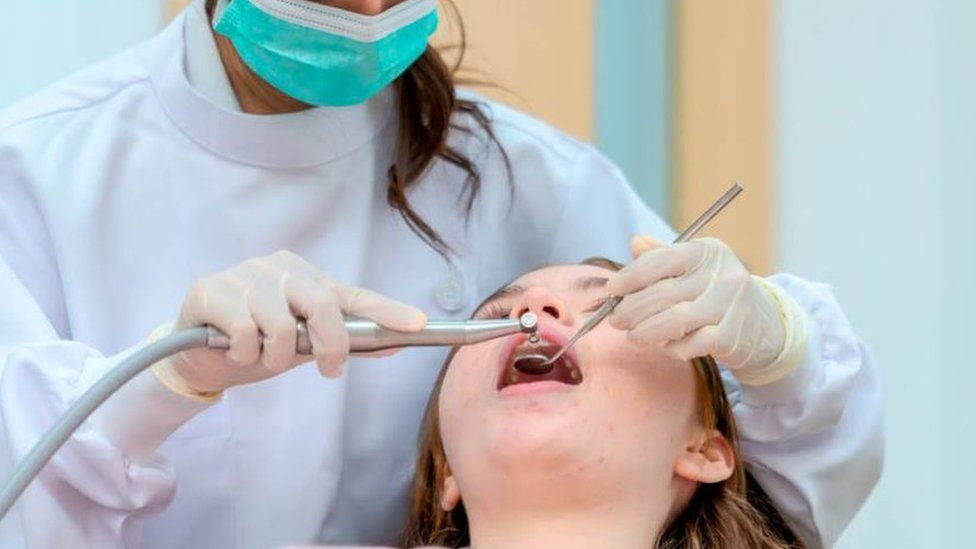
Children’s dental care is one of the most important parts of this picture. The NHS advice on taking care of children’s teeth highlights the importance of brushing routines, fluoride advice and early dental visits, while NHS child oral health resources also note that regular appointments can help children become comfortable with the dental environment. This early familiarity is valuable because it allows oral health habits to grow naturally over time, making routine care feel like a normal part of life.
Adults, meanwhile, are often searching for the same sense of reassurance in a slightly different form. They want check-ups that feel thorough, clear explanations and guidance that fits their lifestyle. The NHS page on dental check-ups and NICE recommendations on recall intervals both reflect a personalised approach, where the gap between visits depends on oral health needs rather than a strict universal rule. That flexible model is especially useful for families, because different members of the same household may need different levels of support.
Hygiene care is another common search term for good reason. Professional cleaning, gum health support and advice on home care all help patients maintain a fresher, healthier smile between routine appointments. The Oral Health Foundation’s preventive care guidance and its information on gum disease both reinforce how closely oral hygiene and gum health are linked. For families, this is particularly useful, because it turns preventive dentistry into something practical and everyday rather than something abstract.
A trusted routine also makes life simpler. When the same practice sees different generations of the family, appointments tend to feel smoother and more joined up. Children recognise the setting, adults know what to expect, and the whole experience becomes more convenient. In a place like Hawthorn, where daily schedules are often busy, that ease matters. A local practice that combines family-friendly care with modern standards can become a very positive part of weekly and monthly life.
There is also a growing expectation that family dentistry should be forward-looking. Parents might start with children’s care, then ask about whitening, orthodontic advice or cosmetic options for themselves. This reflects the way dentistry has evolved. It is no longer only about maintenance. It is also about confidence, presentation and having access to advice that suits different stages of life. A modern dentist Hawthorn practice is often valued not simply for the services it offers, but for the way it brings those services together in a clear and approachable way.
Communication is central to that experience. Families appreciate practices that explain things in straightforward language and make everyone feel comfortable asking questions. That warmth can be especially helpful for younger patients, but adults value it too. The most memorable dental experiences are often not dramatic or complicated. They are simply well handled, well explained and delivered with consistency.
A search for a dentist Hawthorn often begins with something practical, such as finding a local appointment. Yet it often leads to something more significant: a search for a dependable routine that supports the whole family. When dentistry feels organised, welcoming and tailored, it becomes much easier to keep up with regular care and much easier to feel good about it. That is why trusted family dentistry remains such an important part of modern oral health.